NASA的“阿尔忒弥斯三号”任务将测试未来的月球着陆器操作 - NASA
NASA’s Artemis III Mission to Test Future Moon Lander Operations - NASA
NASA 新闻发布
以下为原文逐段中文翻译,保留图表与说明。AI 翻译并经 AI 对照复核,仍可能存在错误;核对数据和引用时请同时查看原文。译文发布:2026年10月24日 15:30(北京时间)。
在宇航员重返月球表面之前,NASA将首先执行该机构历史上最具雄心和最复杂的测试任务之一。
阿尔忒弥斯三号将于2027年发射,将NASA宇航员兰迪·布雷兹尼克(Randy Bresnik)、弗兰克·鲁比奥(Frank Rubio)、安德烈·道格拉斯(Andre Douglas),以及欧洲航天局(ESA)宇航员卢卡·帕尔米塔诺(Luca Parmitano)搭乘猎户座(Orion)飞船送入近地轨道,与行业合作伙伴蓝色起源(Blue Origin)和SpaceX正在研制的人体着陆系统的测试版本(即测试件)进行一系列演示。在计划为期14天的任务期间,乘组与飞行控制人员将演练交会、对接、居住及操作程序,这些程序在2028年阿尔忒弥斯宇航员开始于月球南极附近着陆时将必不可少。该任务旨在降低风险、验证硬件,并在NASA尝试载人登月之前积累操作经验。
NASA阿尔忒弥斯计划经理杰里米·帕森斯(Jeremy Parsons)表示:“在将宇航员重新送回月球之前,此次任务在地球轨道上的每一个环节都是为了降低风险而设计的。我们将用三枚不同的火箭发射三艘航天器,并测试它们如何协同运作——这是NASA从未尝试过的。我们在此学到的每一课,都让我们离2028年登陆月球更近一步。”
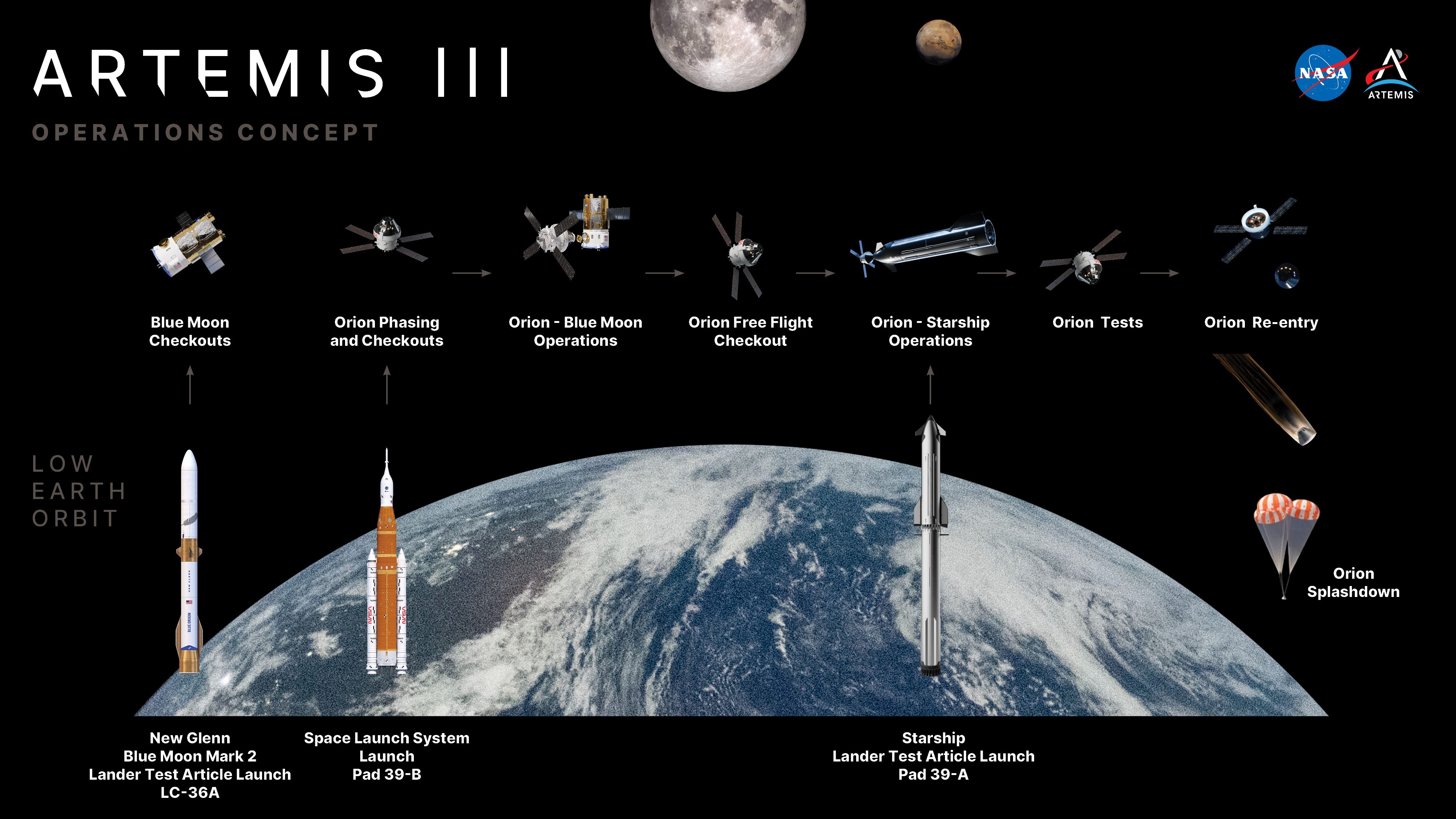
第一站:蓝色起源的月球着陆器测试件
早期的阿尔忒弥斯任务仅使用了NASA的SLS(太空发射系统)火箭和猎户座飞船。阿尔忒弥斯三号将涉及在相对较短时间内,由三枚不同的重型运载火箭发射的三艘独立航天器。
任务以蓝色起源将其蓝月2号(Blue Moon Mark 2)着陆器的测试版本发射至距地球约273英里(237海里)的近地圆形轨道开始。该航天器可在轨停留长达30天,从而提供调度灵活性。阿尔忒弥斯三号被设计成一场严密编排的行动:NASA计划在蓝月测试件发射并确认飞行器状况良好、准备就绪可进行联合操作后仅数日,便从佛罗里达州的肯尼迪航天中心用SLS将猎户座发射升空。
发射后,猎户座最初将进入18×1122英里(16×975海里)的椭圆地球轨道。它将使用其服务舱执行一系列机动,过渡到约345英里(300海里)的圆形轨道进行热稳定,随后逐步为与等候中的蓝月着陆器测试件交会做准备。由于每艘航天器都在为其任务需求优化的略有不同的轨道体制中运行,阿尔忒弥斯三号在全程飞行中需要精心编排的轨道机动与交会操作序列。
在飞行的头两天,乘组将检查猎户座的系统、准备近距操作,并逐步就位以应对任务的首要主要目标:与蓝月测试飞行器交会并对接。
此次操作是NASA首次有机会评估猎户座与商业月球着陆器如何在太空中协同工作。工程师将评估两艘航天器上的软件、制导系统、通信系统和操作程序在真实条件下的表现,同时飞行控制人员将获得跨多个团队和组织协调活动的经验。
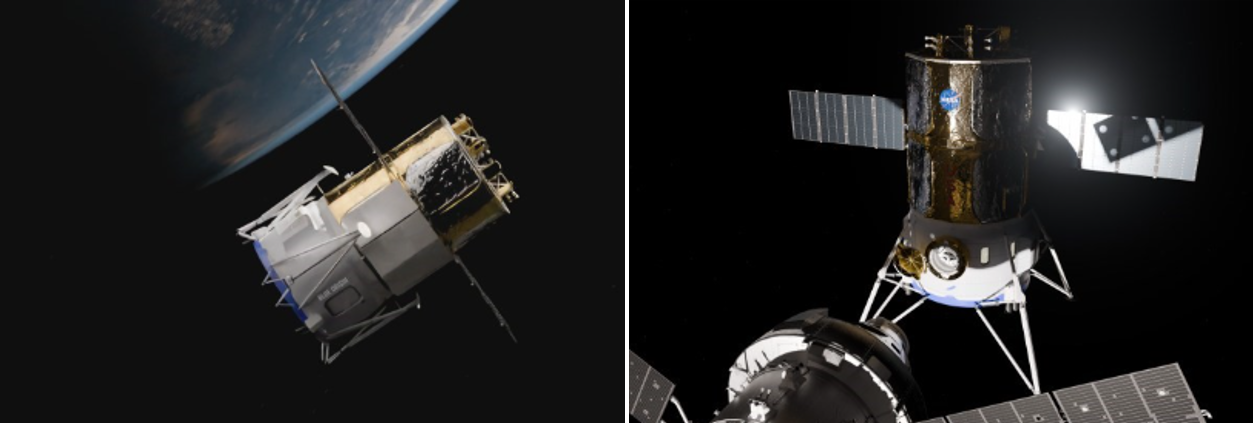
对接后,宇航员将花费约两天时间在蓝月测试件上进行评估。乘组成员将打开舱门进入航天器,使他们能够直接评估舱内环境、操控和生命保障系统。各团队将验证航天器维持适当大气与压力的能力。
蓝月测试件集成了许多为未来月球任务规划的航电设备、软件、飞行控制系统、乘员舱技术和生命保障功能。在轨测试这些系统将提供首个机会,以评估着陆器的众多飞行系统作为集成飞行器在太空中的表现。
到猎户座脱离对接时,NASA将已完成其对商业月球着陆器的首次载人评估,收集有关航天器系统、乘员操作和航天器互操作性的数据,这些数据在地面无法获得。
星舰对接演示
完成与蓝色起源着陆器的操作后,猎户座将脱离对接并重新定位,以支持任务的下一阶段:第二次交会操作。
SpaceX将从佛罗里达发射星舰3型(Starship Version 3)测试件。由于星舰的设计在轨寿命远短于蓝色起源的着陆器,发射发生在任务较后阶段,使NASA能够高效地依次安排两次对接演示。星舰将进入206海里的较低轨道(为通信覆盖而优化),并将携带一个加装在前端、额外的对接系统。
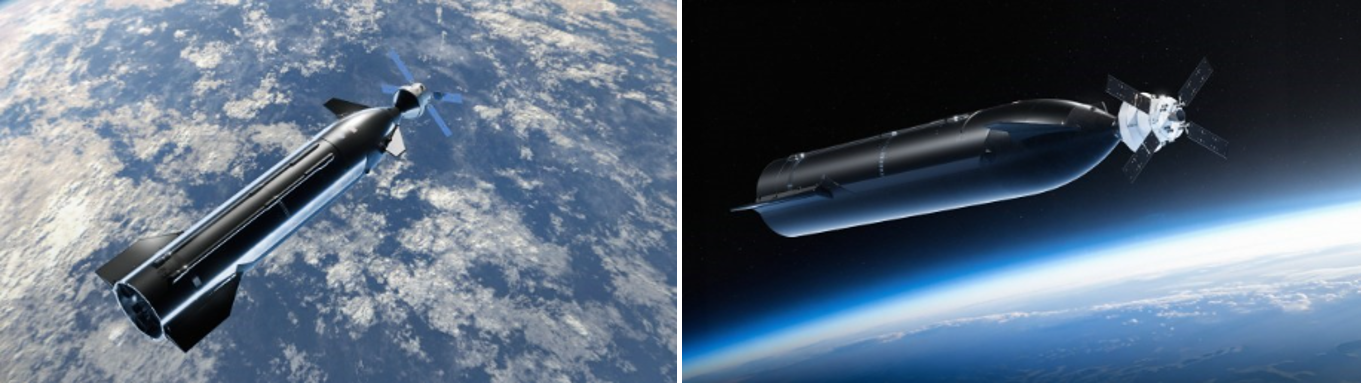
猎户座将与该航天器交会,并在一次预计持续长达两小时的测试中对接。在此次测试中,乘组不会进入星舰。该演示的重点是验证猎户座与星舰在太空中作为对接系统如何交互。NASA与SpaceX计划评估航天器的可控性、通信、集成软件性能,以及与对接和脱离对接操作相关的动力学。
对接本身也是一项独特的测试,采用了不同的对接几何构型。猎户座将连接到蓝月乘员舱旁的端口,随后再将其前端对接系统与星舰头部的对接系统对齐。在一次任务中测试两种方法,使NASA有机会在收集宝贵工程数据的同时评估不同的操作概念。
这两次对接行动共同将展示猎户座如何在一次任务中与两种截然不同的商业着陆器架构对接。
为未来探索测试猎户座
即便在对接活动完成后,阿尔忒弥斯三号仍将继续产生支撑未来任务的数据。
星舰演示完成后,在开始为返程做准备之前,猎户座及其乘组在轨道上还有最多五天的可用时间。NASA计划利用这段时间完成各种支撑未来阿尔忒弥斯任务的测试目标,包括对猎户座乘员生存系统(Orion Crew Survival System)航天服的额外评估、对接传感器测试、声学与热学测量、人因评估,以及一系列科学和技术演示。
由NASA牵头的数项调查将建立在阿尔忒弥斯二号期间所进行研究的基础之上,收集有助于为未来深空任务提供参考的额外数据。乘组还将开展一项概念验证研究,考察宇航员在无法直接与地面任务控制中心通信时如何能够执行健康相关评估——这是未来月球表面探险及更远离地球的其他任务的一项重要能力。
NASA还计划在任务期间搭载一项细胞生物学实验,同时研究人员利用此次飞行测试将月球样本送回地球的相关概念。各团队将评估未来样本如何在着陆后被运输、接收并送入保藏设施,同时也将对猎户座的环境进行评估,以更好地理解未来月球任务潜在的污染考量。
该任务还将包括地球与太阳观测,帮助宇航员利用航天器独特的轨道观测点优势,持续培养关键观测技能。植物种子也将搭载猎户座飞行,为任务结束后的科学研究和教育参与提供机会。
任务规划人员还在飞行时间线中加入了灵活性,根据操作实时的展开情况提供完成测试目标的额外机会。
准备就绪后,猎户座将开始调整轨道准备返回,乘组将对舱内进行再入与溅落配置,溅落将发生在加利福尼亚海岸外的太平洋。猎户座及其乘组将由NASA人员和美国海军回收。
为月球任务演练
阿尔忒弥斯三号期间所执行的每一项活动都服务于一个更大的目标:在宇航员重返月球表面之前降低风险。
该任务将为NASA提供与多个商业伙伴并肩作业的经验,同时管理涉及三艘不同航天器的复杂交会与对接操作。工程师将深入了解航天器互操作性、任务控制协调、通信架构、乘员操作和硬件性能。
到阿尔忒弥斯三号随猎户座在地球溅落而结束时,NASA将已演示未来月球乘组往返月球时所将依赖的技术和操作概念。
最重要的是,阿尔忒弥斯三号将提供所需的操作经验,将未来月球着陆计划转化为经过验证的飞行程序。整个任务中汲取的经验教训将有助于完善未来的探索计划、加强产业界伙伴关系,并确保宇航员为人类在月球的下一次巨大飞跃做好准备。
作为创新与探索黄金时代的一部分,NASA将派遣阿尔忒弥斯宇航员执行月球南极附近难度渐增的任务,以探索比以往更多的月球区域。通过其月球任务带来经济利益并推进科学发现之外,NASA还将在月球表面建立持久的人类存在,并夯实该机构为首次载人火星任务所打下的基础。
欲了解更多关于阿尔忒弥斯的信息,请访问:
www.nasa.gov/artemis
展开英文原文 · 与中文逐段对应
NASA’s Artemis III Mission to Test Future Moon Lander Operations - NASA
Before astronauts return to the lunar surface, NASA will first conduct one of the most ambitious and complex test missions in the agency’s history.
Launching in 2027, Artemis III will send NASA astronauts Randy Bresnik, Frank Rubio, Andre Douglas, and ESA (European Space Agency) astronaut Luca Parmitano aboard the Orion spacecraft into low Earth orbit to perform a series of demonstrations with test versions, or test articles, of human landing systems being developed by industry partners Blue Origin and SpaceX. During the planned 14-day mission, crews and flight controllers will practice the rendezvous, docking, habitation, and operational procedures that will be essential when Artemis astronauts begin landing near the Moon’s South Pole in 2028. The mission is designed to reduce risk, validate hardware, and gain operational experience before NASA attempts a crewed lunar landing.
“Every piece of this mission in Earth orbit is designed to reduce risk before we put astronauts back on the Moon,” said Jeremy Parsons, NASA’s Artemis program manager. “We’re launching three spacecraft on three different rockets and testing how they operate together — something NASA has never attempted. Every lesson we learn here gets us closer to landing on the Moon in 2028.”
First stop: Blue Origin’s lunar lander test article
Earlier Artemis missions used only NASA’s SLS (Space Launch System) rocket and Orion spacecraft. Artemis III will involve three separate spacecraft launched on three different heavy-lift rockets within a relatively short period of time.
The mission begins with Blue Origin launching a test version of its Blue Moon Mark 2 lander into a circular low Earth orbit approximately 273 miles (237 nautical miles) above Earth. The spacecraft can remain on orbit for up to 30 days providing schedule flexibility. Artemis III is designed as a tightly choreographed campaign, with NASA planning to launch Orion on top of SLS from the agency’s Kennedy Space Center in Florida only days after the Blue Moon test article launch and confirmation the vehicle is healthy and ready for joint operations.
Following launch, Orion will initially enter an elliptical Earth orbit of 18 x 1122 miles (16 x 975 nautical miles). It will use its service module to perform a series of maneuvers to transition to a circular orbit at about 345 miles (300 nautical miles) for thermal stabilization before then gradually setting up its rendezvous with the waiting Blue Moon lander test article. Because each spacecraft operates in slightly different orbital regimes optimized for its mission requirements, Artemis III requires a carefully choreographed sequence of orbital maneuvers and rendezvous operations throughout the flight.
During the first two days of flight, the crew will check out Orion’s systems, prepare for proximity operations, and gradually position themselves for the mission’s first major objective: rendezvous and docking with the Blue Moon test vehicle.
The operation represents NASA’s first opportunity to evaluate how Orion and a commercial lunar lander work together in space. Engineers will assess how software aboard both spacecraft, guidance systems, communications systems, and operational procedures perform in real-world conditions, while flight controllers gain experience coordinating activities across multiple teams and organizations.
Once docked, astronauts will spend approximately two days conducting evaluations aboard the Blue Moon test article. Crew members will open the hatch and enter the spacecraft, allowing them to assess the cabin environment, controls, and life-support systems firsthand. Teams will verify the spacecraft’s ability to maintain the proper atmosphere and pressure.
The Blue Moon test article incorporates many of the avionics, software, flight-control systems, crew-cabin technologies, and life-support functions planned for future lunar missions. Testing those systems in orbit will provide the first opportunity to evaluate how many of the lander’s flight systems perform in space as an integrated vehicle.
By the time Orion undocks, NASA will have completed its first evaluation of a commercial lunar lander with crew, gathering data on spacecraft systems, crew operations, and spacecraft interoperability not possible on the ground.
Starship docking demonstration
After completing operations with Blue Origin’s lander, Orion will undock and reposition to support the next phase of the mission: a second rendezvous operation.
SpaceX will launch a Starship Version 3 test article from Florida. Because Starship is designed for a much shorter on-orbit lifetime than Blue Origin’s lander, launch occurs later in the mission, allowing NASA to efficiently sequence the two docking demonstrations. Starship will enter a lower orbit at 206 nautical miles, optimized for communications coverage, and will carry an added docking system mounted at the forward end.
Orion will rendezvous and dock with the spacecraft during a test expected to last up to two hours. Crew will not enter Starship during this test. The demonstration is focused on validating how Orion and Starship interact as a docked system in space. NASA and SpaceX plan to evaluate spacecraft controllability, communications, integrated software performance, and the dynamics associated with docking and undocking operations.
The docking itself also presents a unique test, using different docking geometries. Orion will connect to a port beside Blue Moon’s crew cabin, then later align its forward docking system with the one at Starship’s nose. Testing both approaches during a single mission gives NASA an opportunity to assess different operational concepts while gathering valuable engineering data.
Together, the two docking campaigns will demonstrate how Orion interfaces with two very different commercial lander architectures during a single mission.
Testing Orion for future exploration
Even after docking activities are complete, Artemis III will continue generating data that supports future missions.
Once the Starship demonstration is complete, Orion and its crew will have up to five additional days available in orbit before beginning preparations for the journey home. NASA plans to use this time to complete a variety of test objectives that support future Artemis missions, including additional evaluations of the Orion Crew Survival System suits, docking sensor tests, acoustic and thermal measurements, human-factors assessments, and a range of science and technology demonstrations.
Several investigations led by NASA will build on studies conducted during Artemis II, collecting additional data that will help inform future deep-space missions. The crew also will conduct a proof-of-concept study examining how astronauts could perform health-related assessments when they are unable to communicate directly with mission control, an important capability for future lunar surface expeditions and other missions farther from Earth.
NASA also plans to fly a cellular biology experiment during the mission while researchers use the flight to test concepts for returning lunar samples to Earth. Teams will evaluate how future samples could be transported, received, and moved into curation facilities after landing, while also conducting assessments of Orion’s environment to better understand potential contamination considerations for future lunar missions.
The mission also will include Earth and solar observations that help astronauts continue developing critical observation skills while taking advantage of the spacecraft’s unique orbital vantage point. Plant seeds will fly aboard Orion as well, providing opportunities for scientific study and educational engagement following the mission.
Mission planners have also built flexibility into the flight timeline, providing additional opportunities to complete test objectives depending on how operations unfold in real time.
When ready, Orion will begin phasing for return, and the crew will configure the cabin for reentry and splashdown, which will occur in the Pacific Ocean, off the coast of California. Orion and its crew will be recovered by NASA personnel and the United States Navy.
Practicing for Moon missions
Every activity performed during Artemis III supports a larger goal: reducing risk before astronauts return to the lunar surface.
The mission will provide NASA with experience operating alongside multiple commercial partners while managing complex rendezvous and docking operations involving three different spacecraft. Engineers will gain insight into spacecraft interoperability, mission-control coordination, communications architecture, crew operations, and hardware performance.
By the time Artemis III concludes with Orion’s splashdown on Earth, NASA will have demonstrated technologies and operational concepts that future lunar crews will rely on as they travel to and from the Moon.
Most importantly, Artemis III will provide the operational experience needed to transform plans for future lunar landings into proven flight procedures. The lessons learned throughout the mission will help refine future exploration plans, strengthen partnerships with industry, and ensure astronauts are prepared for humanity’s next giant leap at the Moon.
As part of a Golden Age of innovation and exploration, NASA will send Artemis astronauts on increasingly difficult missions near the lunar South Pole to explore more of the Moon than ever before. In addition to providing economic benefits and advancing scientific discovery through its Moon missions, NASA will establish an enduring human presence on the lunar surface and build on the agency’s foundation for the first crewed mission to Mars.
To learn more about Artemis, visit:
www.nasa.gov/artemis
查看本期独立摘要
中文独立摘要 · AI 整理
这件事
NASA披露阿尔忒弥斯三号任务规划:2027年发射,将4名宇航员乘猎户座飞船送入近地轨道,与蓝色起源“蓝月2号”和SpaceX的着陆器测试件演练交会、对接、居住与操作程序,为2028年载人登月南极做准备。任务将用三枚火箭发射三艘航天器协同运作,以在载人前降低风险、验证硬件。
本页概括所列来源的重点,属于独立摘要;完整报道请阅读原站。整理时间:2026年10月24日 12:41(北京时间)。
信息从哪里来
据NASA 新闻发布报道,由本站译为全文中文。
- NASA 新闻发布 报道正文